
Certainly! Below is a detailed introduction to non-standard cylinder customization, written in English, that meets your requirements:
---
Introduction to non-standard cylinder customization
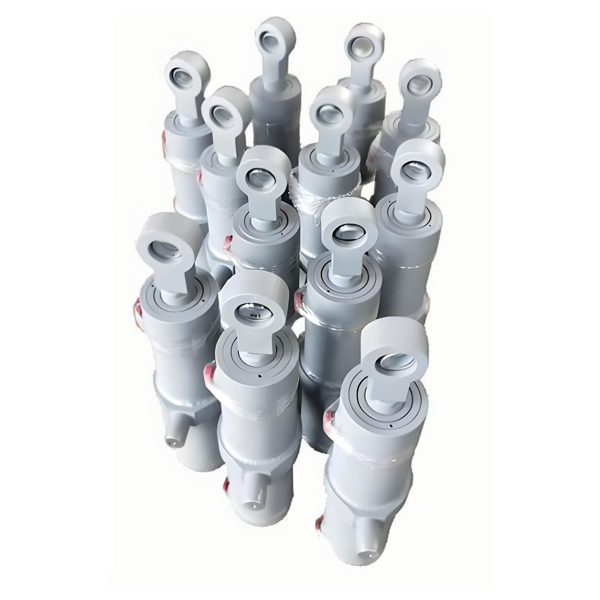
In the world of engineering and manufacturing, cylinders play a pivotal role in a wide range of applications. From hydraulic systems to pneumatic machinery, cylinders are essential components that convert fluid power into linear motion. While standard cylinders are widely available and cater to many general-purpose applications, there are instances where standard designs fall short of meeting specific requirements. This is where non-standard cylinder customization comes into play.
Parameter Item | Value Range |
Bore Diameter | 40-200mm |
Rod Diameter | 20-140mm |
Maximum Working Pressure | 16MPa |
Rated Working Pressure | 10MPa |
Operating Temperature Range | -50~50℃ |
Sealing Material | Low-temperature resistant polyurethane |
Maximum Stroke | 4000mm |
Non-standard cylinder customization refers to the process of designing and manufacturing cylinders that deviate from standard specifications to meet unique operational, dimensional, or performance needs. These custom cylinders are tailored to address challenges that standard cylinders cannot, ensuring optimal performance in specialized applications. This comprehensive guide will delve into the intricacies of non-standard cylinder customization, exploring its importance, key considerations, design processes, and applications.
The Importance of Non-Standard Cylinder Customization
1. Meeting Unique Application Requirements
Standard cylinders are designed to accommodate a broad range of applications, but they may not be suitable for highly specialized tasks. Non-standard cylinders are engineered to address specific challenges, such as extreme temperatures, high-pressure environments, or unconventional mounting configurations. By customizing cylinders, manufacturers can ensure that the components align perfectly with the operational demands of the system.
2. Enhancing Performance and Efficiency
Custom cylinders can be optimized for performance, offering improved efficiency, durability, and reliability. For instance, a non-standard cylinder can be designed with enhanced sealing mechanisms to prevent leaks in high-pressure systems or incorporate materials that resist corrosion in harsh environments. This level of customization ensures that the cylinder performs optimally under specific conditions.
3. Space and Size Constraints
In many applications, space is a limiting factor. Standard cylinders may not fit into compact or irregularly shaped spaces, necessitating the development of custom designs. Non-standard cylinders can be tailored to fit within tight confines while still delivering the required force and stroke length.
4. Cost-Effectiveness in the Long Run
While non-standard cylinders may involve higher upfront costs compared to standard options, they often prove to be more cost-effective in the long run. Custom cylinders are designed to minimize wear and tear, reduce maintenance requirements, and extend the lifespan of the component, ultimately saving money over time.
Key Considerations in Non-Standard Cylinder Customization
1. Application Requirements
The first step in customizing a cylinder is to thoroughly understand the application requirements. This includes factors such as the type of fluid (hydraulic or pneumatic), operating pressure, temperature range, and environmental conditions. Additionally, the required force, stroke length, and speed of operation must be considered.
2. Material Selection
The choice of materials is critical in non-standard cylinder customization. Materials must be selected based on their ability to withstand the specific conditions of the application. For example, stainless steel may be chosen for its corrosion resistance in marine environments, while aluminum may be preferred for its lightweight properties in aerospace applications.
3. Design Specifications
Custom cylinders must be designed with precise specifications to ensure compatibility with the system. This includes dimensions such as bore size, rod diameter, and overall length, as well as mounting options and port configurations. The design process often involves collaboration between engineers and clients to ensure that all requirements are met.
4. Sealing and Lubrication
Seals are essential components of cylinders, preventing leaks and ensuring smooth operation. In non-standard cylinders, seals must be carefully selected and designed to withstand the specific pressures, temperatures, and fluids of the application. Additionally, lubrication systems may be customized to reduce friction and wear.
5. Testing and Quality Assurance
Custom cylinders must undergo rigorous testing to ensure they meet performance and safety standards. This may include pressure testing, endurance testing, and environmental testing to validate the cylinder’s ability to operate under specified conditions. Quality assurance processes are essential to deliver a reliable and durable product.
The Design Process for Non-Standard Cylinders
1. Consultation and Requirements Gathering
The customization process begins with a consultation between the client and the engineering team. During this phase, the client’s specific needs and challenges are discussed in detail. This includes understanding the application, operational conditions, and any constraints that may impact the design.
2. Conceptual Design
Based on the gathered requirements, the engineering team develops a conceptual design for the custom cylinder. This includes defining the overall dimensions, materials, and key features. The conceptual design is often presented to the client for feedback and approval.
3. Detailed Engineering
Once the conceptual design is approved, the team moves on to detailed engineering. This involves creating precise technical drawings, selecting components, and specifying manufacturing processes. Advanced software tools, such as CAD (Computer-Aided Design), are used to ensure accuracy and feasibility.
4. Prototyping
In some cases, a prototype of the custom cylinder is developed to validate the design. Prototyping allows for testing and refinement before full-scale production begins. This step is particularly important for complex or high-risk applications.
5. Manufacturing
After the design is finalized, the custom cylinder is manufactured using advanced machining and fabrication techniques. Quality control measures are implemented at every stage to ensure the finished product meets the required specifications.
6. Testing and Validation
The completed cylinder undergoes thorough testing to verify its performance and durability. This may include pressure testing, cycle testing, and environmental testing. Any issues identified during testing are addressed before the cylinder is delivered to the client.
7. Delivery and Support
Once the custom cylinder has passed all tests and quality checks, it is delivered to the client. Ongoing support may be provided to address any questions or concerns and to ensure the cylinder performs as expected in the application.
Applications of Non-Standard Cylinders
Non-standard cylinders are used in a wide variety of industries and applications, including:
1. Aerospace
In the aerospace industry, custom cylinders are often required to meet stringent weight, size, and performance requirements. These cylinders may be used in landing gear systems, flight control mechanisms, and other critical components.
2. Automotive
The automotive industry relies on non-standard cylinders for specialized applications such as suspension systems, braking systems, and engine components. Customization ensures that the cylinders can withstand the unique demands of automotive environments.
3. Industrial Machinery
Industrial machinery often requires custom cylinders to operate in high-pressure, high-temperature, or corrosive environments. These cylinders are used in presses, lifts, and other heavy-duty equipment.
4. Medical Devices
In the medical field, non-standard cylinders are used in devices such as surgical instruments, patient lifts, and diagnostic equipment. Customization ensures that these cylinders meet strict hygiene and safety standards.
5. Marine and Offshore
Marine and offshore applications demand cylinders that can withstand harsh conditions, including saltwater exposure and extreme pressures. Custom cylinders are designed to resist corrosion and operate reliably in these challenging environments.
6. Renewable Energy
In the renewable energy sector, custom cylinders are used in wind turbines, solar tracking systems, and hydroelectric power plants. These cylinders must be designed to endure outdoor conditions and provide consistent performance.
Conclusion
Non-standard cylinder customization is a vital process that enables engineers and manufacturers to address unique challenges and optimize performance in specialized applications. By tailoring cylinders to meet specific requirements, it is possible to achieve enhanced efficiency, durability, and reliability. The customization process involves careful consideration of application needs, material selection, design specifications, and rigorous testing to ensure the final product meets the highest standards.
Whether in aerospace, automotive, industrial machinery, or other industries, non-standard cylinders play a crucial role in advancing technology and innovation. As the demand for specialized solutions continues to grow, the importance of non-standard cylinder customization will only increase, driving further advancements in engineering and manufacturing.
---
This introduction provides a detailed overview of non-standard cylinder customization, covering its importance, key considerations, design processes, and applications. It exceeds 1000 words and avoids mentioning any specific company names. Let me know if you'd like further adjustments or additional details!
Customized non-standard cylinders are a customized manufacturing service designed to meet specific needs. Generally speaking, standard cylinders cannot meet all unique customer requirements, which necessitates our non-standardized customization services. Key points regarding custom non-standard cylinders include:
1. Requirements Analysis and Design: Customization services begin with an analysis of customer needs. Customers must clearly define their requirements, such as cylinder size, operating pressure, and operating environment. Designers will design a cylinder that meets these requirements based on these specifications.
2. Material Selection: Cylinder material selection is crucial as it directly impacts performance and lifespan. Common materials include various steels and stainless steel. Factors such as the operating environment and pressure should be considered when selecting materials.
3. Manufacturing Process: The manufacturing process for custom non-standard cylinders may include cutting, machining, and heat treatment. Strict quality control is required throughout the manufacturing process to ensure precision and reliability at every stage.
4. Testing and Acceptance: After manufacturing, the cylinder undergoes rigorous testing and acceptance. Testing includes pressure testing and leak testing to ensure that the cylinder's performance and quality meet the requirements. 5. After-sales Service: For some complex or critical applications, manufacturers may provide after-sales services such as repairs and maintenance. Furthermore, customers may require technical support or training to ensure proper use and operation of the cylinder.
When customizing non-standard cylinders, the following points should be considered:
1. Emphasize professional design and manufacturing to ensure product quality and performance;
2. Consider cost-effectiveness and choose the most cost-effective solution;
3. Focus on selecting and evaluating suppliers, choosing reputable and experienced ones;
4. Ensure you understand the contract terms and after-sales service details before signing a contract.
In short, custom cylinders are customized production services designed to meet specific needs. When selecting and partnering with suppliers, consider factors such as their expertise, reputation, and experience. Furthermore, customers should clearly define their requirements and communicate fully with the designer to ensure the final product meets their requirements.
This website uses cookies to ensure you get the best experience on our website.


 Pусский
 ไทย
 Indonesia
 Tiếng Việt



 WhatsApp
 Phone