
Hydraulic cylinder Specifications: A Comprehensive Guide
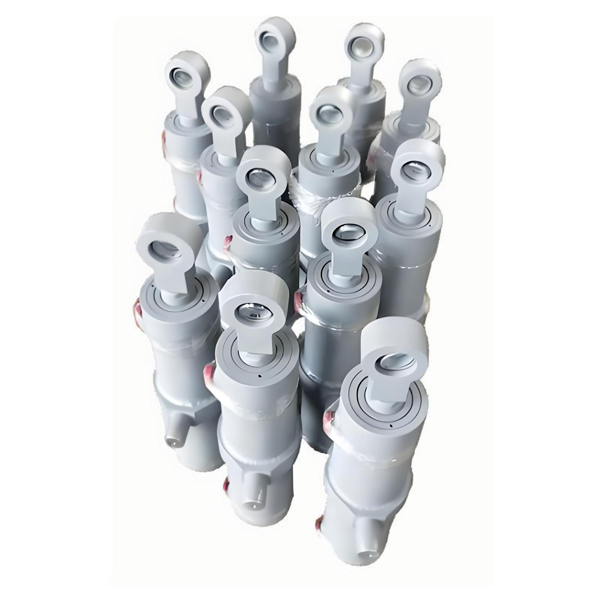
Hydraulic cylinders are essential components in various industrial, construction, and mechanical systems. They convert hydraulic energy into linear mechanical force and motion, making them indispensable in applications such as heavy machinery, manufacturing equipment, and automotive systems. Understanding Hydraulic cylinder specifications is crucial for selecting the right cylinder for a specific application. This guide will delve into the key specifications of hydraulic cylinders, their significance, and how they impact performance.
---
1. Bore Diameter
The bore diameter is the internal diameter of the cylinder barrel, which directly influences the force output of the hydraulic cylinder. It is typically measured in millimeters (mm) or inches (in). The larger the bore diameter, the greater the force the cylinder can generate, as force is proportional to the piston area and hydraulic pressure.
Parameter Item | Value Range |
Bore Diameter | 50-200mm |
Rod Diameter | 25-140mm |
Maximum Working Pressure | 16MPa |
Rated Working Pressure | 12MPa |
Maximum Stroke | 1000mm |
Repeat Positioning Accuracy | ±0.05mm |
Operating Temperature Range | 0~80℃ |
Formula:
Force (F) = Pressure (P) × Area (A)
Area (A) = π × (Bore Diameter/2)²
For example, a cylinder with a bore diameter of 100 mm operating at a pressure of 200 bar can generate significantly more force than a cylinder with a 50 mm bore diameter under the same pressure.
---
2. Rod Diameter
The rod diameter refers to the diameter of the piston rod, which extends and retracts during the cylinder's operation. It is critical for determining the cylinder's strength, stability, and resistance to buckling under load. A larger rod diameter increases the cylinder's load-bearing capacity and reduces the risk of bending or failure.
Key Considerations:
- Buckling Load: The rod diameter affects the cylinder's ability to withstand compressive forces without buckling.
- Seal Wear: A properly sized rod diameter ensures optimal seal performance and longevity.
---
3. Stroke Length
The stroke length is the distance the piston rod travels from the fully retracted to the fully extended position. It determines the range of motion the cylinder can provide. Stroke length is typically measured in millimeters or inches and must be carefully selected based on the application's requirements.
Factors to Consider:
- Application Space: Ensure the stroke length fits within the available space.
- Load Stability: Longer strokes may require additional support to prevent rod deflection or bending.
---
4. Operating Pressure
Operating pressure is the maximum hydraulic pressure the cylinder can safely withstand during operation. It is measured in bar, psi (pounds per square inch), or MPa (megapascals). The operating pressure directly impacts the cylinder's force output and durability.
Key Points:
- Pressure Rating: Always select a cylinder with a pressure rating higher than the system's maximum operating pressure to ensure safety and reliability.
- Material Strength: Higher operating pressures require robust materials and construction to prevent cylinder failure.
---
5. Mounting Style
The mounting style refers to how the cylinder is attached to the machine or structure. It plays a crucial role in determining the cylinder's stability, alignment, and load distribution. Common mounting styles include:
- Flange Mount: Provides rigid support and is ideal for high-force applications.
- Clevis Mount: Allows for angular movement and is suitable for applications with misalignment.
- Trunnion Mount: Offers flexibility in mounting and is commonly used in heavy-duty applications.
- Foot Mount: Simple and cost-effective, suitable for light to moderate loads.
---
6. Seal Type
Seals are critical components that prevent hydraulic fluid leakage and ensure efficient cylinder operation. The type of seal used depends on the application's pressure, temperature, and environmental conditions.
Common Seal Types:
- Piston Seals: Prevent fluid leakage between the piston and cylinder barrel.
- Rod Seals: Prevent external leakage and protect the rod from contaminants.
- Wiper Seals: Remove dirt and debris from the rod as it retracts.
Material Considerations:
- Nitrile (NBR): Suitable for general-purpose applications.
- Polyurethane (PU): Offers excellent wear resistance.
- Fluorocarbon (FKM): Ideal for high-temperature and chemical-resistant applications.
---
7. Cylinder Material
The material of the cylinder barrel, piston rod, and other components significantly impacts the cylinder's durability, corrosion resistance, and performance. Common materials include:
- Steel: Provides high strength and durability, suitable for heavy-duty applications.
- Stainless Steel: Offers excellent corrosion resistance, ideal for harsh environments.
- Aluminum: Lightweight and corrosion-resistant, suitable for applications where weight is a concern.
---
8. Cushioning
Cushioning is a feature that reduces the impact and noise at the end of the cylinder's stroke. It is achieved by gradually slowing down the piston's movement before it reaches the end of the stroke.
Types of Cushioning:
- Fixed Cushioning: Pre-set cushioning for consistent performance.
- Adjustable Cushioning: Allows for customization based on specific application requirements.
---
9. Temperature Range
Hydraulic cylinders must operate within a specified temperature range to ensure optimal performance and longevity. Extreme temperatures can affect seal integrity, fluid viscosity, and material properties.
Key Considerations:
- High-Temperature Applications: Require heat-resistant seals and materials.
- Low-Temperature Applications: May need specialized fluids and materials to prevent freezing or brittleness.
---
10. Speed
The speed of a hydraulic cylinder refers to the rate at which the piston rod extends or retracts. It is influenced by factors such as flow rate, bore diameter, and load.
Formula:
Speed (V) = Flow Rate (Q) / Piston Area (A)
Factors Affecting Speed:
- Flow Rate: Higher flow rates result in faster cylinder speeds.
- Load: Heavier loads may reduce the cylinder's speed.
---
11. Port Size
The port size is the diameter of the hydraulic fluid inlet and outlet ports. It affects the flow rate and pressure drop within the cylinder. Proper port sizing ensures efficient fluid transfer and minimizes energy loss.
Key Points:
- Larger Ports: Allow for higher flow rates and reduced pressure drop.
- Smaller Ports: May restrict flow and increase pressure drop.
---
12. Rod End Configuration
The rod end configuration refers to the type of attachment at the end of the piston rod. Common configurations include threaded ends, clevis ends, and eye ends. The choice of configuration depends on the application's load and alignment requirements.
---
13. Environmental Considerations
Hydraulic cylinders used in harsh environments must be designed to withstand factors such as moisture, dust, chemicals, and extreme temperatures. Specialized coatings, seals, and materials may be required to ensure durability and performance.
---
14. Maintenance Requirements
Regular maintenance is essential for ensuring the longevity and reliability of hydraulic cylinders. Key maintenance tasks include:
- Seal Inspection: Check for wear and replace as needed.
- Rod Cleaning: Remove dirt and debris to prevent seal damage.
- Fluid Checks: Monitor hydraulic fluid levels and quality.
---
Conclusion
Hydraulic cylinder specifications are critical for selecting the right cylinder for a specific application. By understanding factors such as bore diameter, rod diameter, stroke length, operating pressure, and mounting style, engineers and technicians can ensure optimal performance, reliability, and safety. Proper selection and maintenance of hydraulic cylinders contribute to the efficiency and longevity of hydraulic systems across various industries.
Hydraulic cylinder specifications typically vary depending on the application requirements and operating environment. The following are some common Hydraulic cylinder specifications:
1. Diameter: The cylinder diameter is one of the main specifications of a hydraulic cylinder and is typically measured in millimeters. Common diameters range from tens to hundreds of millimeters.
2. Stroke Length: The length of the hydraulic cylinder, measured from one end to the other, is also measured in millimeters. Stroke length varies depending on the specific application and can range from short to long.
3. Pressure Range: The operating pressure range of the hydraulic cylinder, typically expressed in bar or megapascals (MPa). Different hydraulic cylinders have different pressure ranges, and selecting the appropriate pressure range is crucial to ensuring the proper operation of the hydraulic system.
4. Connection Type: The connection method used for the hydraulic cylinder's inlet and outlet ports, such as flanges or threads. Different connection types are suitable for different hydraulic systems and should be selected based on the specific situation. 5. Material: Hydraulic cylinders are typically made of metal, such as steel or stainless steel. Different materials have varying corrosion resistance and strength, so the material selection should be tailored to the operating environment.
6. Other parameters: These include speed, leakage, stroke accuracy, and other factors. The selection of these parameters also depends on the specific application requirements.
Please note that specific hydraulic cylinder specifications may vary by manufacturer, application industry, and specific requirements. When selecting a hydraulic cylinder, it is important to carefully consider and calculate the actual requirements and operating conditions to ensure the reliability and performance of the hydraulic system. We recommend consulting a professional salesperson or engineer before purchasing to obtain accurate specifications.
This website uses cookies to ensure you get the best experience on our website.


 Pусский
 ไทย
 Indonesia
 Tiếng Việt



 WhatsApp
 Phone