
cylinder processing: A Comprehensive Guide
Cylinder processing is a critical aspect of modern manufacturing and engineering, encompassing a wide range of techniques and methodologies used to create, refine, and optimize cylindrical components. These components are integral to various industries, including automotive, aerospace, energy, and machinery. This article delves into the intricacies of cylinder processing, exploring its fundamental principles, advanced techniques, and applications. The goal is to provide a detailed understanding of the subject, ensuring that readers gain valuable insights into this essential field.
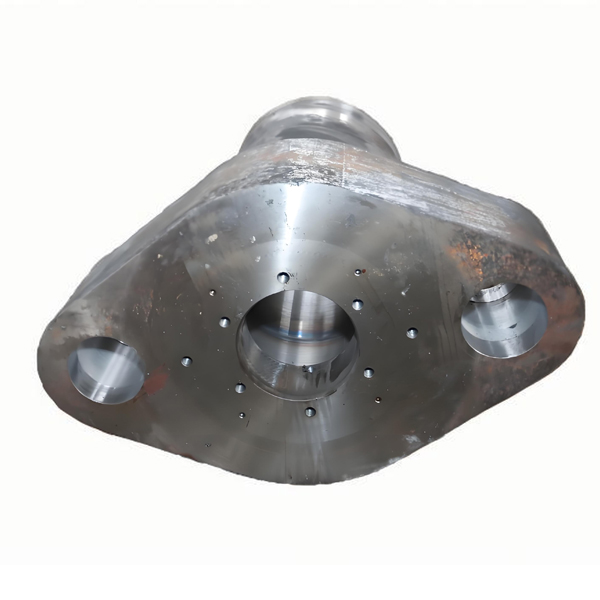
1. Introduction to Cylinder Processing
Cylinder processing refers to the manufacturing and finishing processes involved in creating cylindrical components. These components can vary significantly in size, material, and application, ranging from small precision parts used in medical devices to large industrial cylinders employed in hydraulic systems. The processing of cylinders involves several stages, including material selection, machining, heat treatment, surface finishing, and quality control.
Parameter Item | Value Range |
Bore Diameter | 100-300mm |
Rod Diameter | 60-200mm |
Maximum Working Pressure | 25MPa |
Rated Working Pressure | 20MPa |
Maximum Stroke | 5000mm |
Buffering Mode | Adjustable buffer |
Operating Temperature Range | -20~80℃ |
Cylinders are ubiquitous in engineering due to their structural efficiency and versatility. Their symmetrical shape allows for uniform stress distribution, making them ideal for applications requiring high strength and durability. Common examples include engine cylinders, Hydraulic cylinders, pneumatic cylinders, and roller bearings.
2. Materials Used in Cylinder Processing
The choice of material is a crucial factor in cylinder processing, as it directly impacts the component's performance, longevity, and suitability for specific applications. Commonly used materials include:
- Metals: Steel, aluminum, and titanium are widely used due to their strength, machinability, and resistance to wear and corrosion. Stainless steel is particularly favored for applications requiring high corrosion resistance.
- Alloys: Various alloys, such as brass, bronze, and nickel-based alloys, are employed to enhance specific properties like thermal conductivity, electrical conductivity, and resistance to extreme temperatures.
- Polymers: Plastics and composites are used in applications where weight reduction, electrical insulation, or chemical resistance is essential. Examples include nylon, PTFE, and fiber-reinforced polymers.
- Ceramics: Advanced ceramics are utilized in high-temperature and high-wear applications due to their exceptional hardness, thermal stability, and resistance to chemical attack.
3. Machining Techniques in Cylinder Processing
Machining is a fundamental aspect of cylinder processing, involving the removal of material to achieve the desired shape, dimensions, and surface finish. Key machining techniques include:
- Turning: This process involves rotating the workpiece while a single-point cutting tool removes material to create a cylindrical shape. Turning is typically performed on a lathe and is essential for producing precise diameters and smooth surfaces.
- Milling: Milling uses rotary cutters to remove material from the workpiece. It is particularly useful for creating complex geometries, such as grooves, slots, and threads, on cylindrical components.
- Grinding: Grinding employs abrasive wheels to achieve high-precision dimensions and superior surface finishes. It is commonly used for finishing operations, ensuring tight tolerances and smooth surfaces.
- Drilling and Boring: These processes create or enlarge holes within cylindrical components. Boring is particularly important for achieving precise internal diameters and concentricity.
- Honing and Lapping: These finishing processes refine the surface texture and improve dimensional accuracy. Honing is often used for engine cylinders to ensure optimal piston movement and sealing.
4. Heat Treatment in Cylinder Processing
Heat treatment is a critical step in cylinder processing, as it enhances the material's mechanical properties, such as hardness, strength, and toughness. Common heat treatment processes include:
- Annealing: This process involves heating the material to a specific temperature and then slowly cooling it to relieve internal stresses, improve machinability, and enhance ductility.
- Quenching and Tempering: Quenching rapidly cools the material to increase hardness, while tempering reduces brittleness by reheating to a lower temperature. This combination is essential for achieving a balance between strength and toughness.
- Case Hardening: This process hardens the outer surface of the cylinder while maintaining a softer, more ductile core. Techniques like carburizing and nitriding are commonly used to enhance wear resistance.
- Stress Relieving: This process involves heating the material to a moderate temperature to reduce residual stresses caused by machining or welding, thereby improving dimensional stability.
5. Surface Finishing Techniques
Surface finishing is vital for enhancing the performance, appearance, and longevity of cylindrical components. Key techniques include:
- Polishing: This process uses abrasive materials to create a smooth, reflective surface, reducing friction and improving aesthetic appeal.
- Plating: Electroplating or electroless plating applies a thin layer of metal, such as chromium or nickel, to enhance corrosion resistance, wear resistance, and electrical conductivity.
- Coating: Various coatings, such as powder coating, anodizing, and thermal spraying, are applied to improve surface properties like hardness, lubricity, and thermal insulation.
- Blasting: Abrasive blasting techniques, such as sandblasting and shot peening, are used to clean, texture, or strengthen the surface by inducing compressive stresses.
6. Quality Control in Cylinder Processing
Quality control is essential to ensure that cylindrical components meet stringent specifications and performance requirements. Key quality control measures include:
- Dimensional Inspection: Precision measuring tools, such as micrometers, calipers, and coordinate measuring machines (CMMs), are used to verify dimensions and tolerances.
- Surface Roughness Measurement: Instruments like profilometers assess surface texture, ensuring it meets the required smoothness or roughness standards.
- Material Testing: Techniques like hardness testing, tensile testing, and impact testing evaluate the material's mechanical properties to ensure it meets design criteria.
- Non-Destructive Testing (NDT): Methods like ultrasonic testing, magnetic particle inspection, and dye penetrant testing detect internal or surface defects without damaging the component.
7. Applications of Cylinder Processing
Cylinder processing is integral to numerous industries, with applications including:
- Automotive: Engine cylinders, brake cylinders, and shock absorbers are critical components that rely on precise cylinder processing for optimal performance and durability.
- Aerospace: Hydraulic actuators, landing gear cylinders, and fuel system components require high-precision processing to withstand extreme conditions and ensure safety.
- Energy: Hydraulic cylinders in power plants, oil and gas equipment, and wind turbines are essential for efficient energy generation and distribution.
- Machinery: Industrial machinery, such as presses, injection molding machines, and robotic arms, depend on precisely processed cylinders for smooth operation and longevity.
8. Advanced Techniques in Cylinder Processing
As technology advances, new techniques and methodologies are being developed to enhance cylinder processing. These include:
- Additive Manufacturing: 3D printing technologies enable the creation of complex cylindrical geometries with minimal material waste, offering new possibilities for design and customization.
- Computer Numerical Control (CNC) Machining: CNC machines provide unparalleled precision and repeatability, allowing for the production of high-quality cylindrical components with minimal human intervention.
- Laser Processing: Laser cutting, welding, and surface treatment offer high precision and speed, making them ideal for intricate and delicate cylinder processing tasks.
- Automation and Robotics: Automated systems and robotic arms streamline cylinder processing, improving efficiency, consistency, and safety in manufacturing environments.
9. Challenges and Future Trends in Cylinder Processing
Despite its advancements, cylinder processing faces several challenges, including:
- Material Innovation: The development of new materials with enhanced properties requires continuous adaptation of processing techniques to ensure compatibility and performance.
- Sustainability: Increasing emphasis on environmental sustainability drives the need for eco-friendly materials, energy-efficient processes, and waste reduction in cylinder processing.
- Miniaturization: The trend toward smaller, more precise components demands advanced machining and inspection technologies to meet stringent tolerances and quality standards.
- Integration of Smart Technologies: The incorporation of sensors, IoT, and AI in cylinder processing enables real-time monitoring, predictive maintenance, and data-driven optimization, paving the way for smarter, more efficient manufacturing.
10. Conclusion
Cylinder processing is a multifaceted field that plays a pivotal role in modern manufacturing and engineering. From material selection and machining to heat treatment and surface finishing, each step in the process is crucial for producing high-quality cylindrical components. As technology continues to evolve, the industry is poised to embrace new techniques and methodologies, addressing challenges and unlocking new possibilities. By understanding the principles and practices of cylinder processing, engineers and manufacturers can ensure the production of reliable, efficient, and innovative components that drive progress across various industries.
Cylinder machining is a precision manufacturing process involving cutting, grinding, drilling, and milling metal materials to create cylinders that withstand high pressures and are wear-resistant and corrosion-resistant. Below are some details about cylinder machining:
1. Material Selection: Common materials used in cylinder machining include cast iron, steel, and stainless steel. Choosing the right material is crucial to ensuring the performance and lifespan of the cylinder.
2. Processing Technology:
* Cutting: Initial cutting and shaping of the material is performed using lathes, milling machines, and other equipment.
* Drilling: Holes are drilled into the material to facilitate installation of components such as pistons and seals.
* Milling: Milling is used to finish the cylinder's inner surface, ensuring a smooth surface and high precision.
* Heat Treatment: Heat treatments such as quenching and tempering are performed on the steel to increase its hardness and wear resistance.
3. Precision Requirements: Cylinder machining requires extremely high precision, ensuring dimensional and shape accuracy of each component. This requires a high level of processing equipment and technology to ensure product performance and quality. 4. Surface Treatment: After machining, cylinders require surface treatment, such as spraying and galvanizing, to enhance corrosion resistance and aesthetics.
5. Inspection and Testing: After machining, cylinders undergo rigorous inspection and testing, including pressure testing, leak testing, and visual inspection, to ensure performance and quality meet requirements.
6. Applications: Cylinders are widely used in construction machinery, agricultural machinery, aerospace, and marine applications. Cylinders in different applications have varying performance requirements, so the machining process requires adjustments based on specific needs.
Safety and environmental considerations must also be taken during cylinder machining. Operators must strictly adhere to operating procedures to ensure proper equipment operation and personal safety. Environmental protection measures, such as waste collection and disposal, and noise and dust reduction, must also be implemented to minimize environmental impact.
The above information is for reference only. For more information on cylinder machining, it is recommended to consult a professional manufacturer or consult relevant literature.
This website uses cookies to ensure you get the best experience on our website.


 Pусский
 ไทย
 Indonesia
 Tiếng Việt



 WhatsApp
 Phone