
What is a piston rod?
A piston rod is a crucial component in various mechanical systems, particularly in engines, compressors, and hydraulic systems. It serves as a connecting link between the piston and other parts of the machinery, enabling the transfer of force and motion. Understanding the piston rod's function, design, materials, and applications is essential for anyone involved in mechanical engineering, automotive repair, or industrial maintenance. This article delves into the details of piston rods, their role in mechanical systems, and the factors that influence their performance.
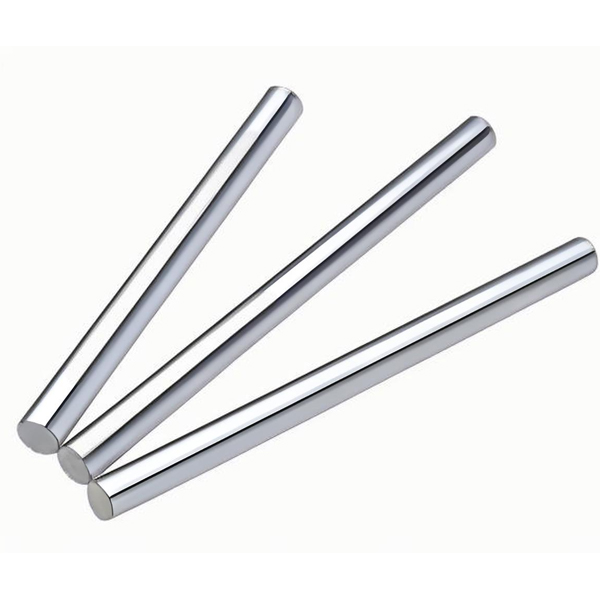
1. Definition and Function of a Piston Rod
A piston rod is a cylindrical metal rod that connects the piston to the crankshaft or crosshead in reciprocating engines and compressors. Its primary function is to transmit the linear motion of the piston to the rotating motion of the crankshaft or to other components in the system. The piston rod is subjected to significant mechanical stress, including tension, compression, and bending forces, making its design and material selection critical for ensuring durability and efficiency.
In internal combustion engines, the piston rod (often referred to as a connecting rod) plays a vital role in converting the energy generated by the combustion of fuel into mechanical work. In hydraulic systems, the piston rod connects the piston to the external load, enabling the transfer of hydraulic pressure into linear motion.
2. Components and Design of a Piston Rod
A typical piston rod consists of several key components:
- Rod Body: The main cylindrical section of the piston rod, which must be strong enough to withstand the forces exerted during operation.
- Piston End: The end of the rod that attaches to the piston, often featuring a threaded or bolted connection.
- Crankshaft End: The end of the rod that connects to the crankshaft, typically designed with a bearing or bushing to reduce friction.
- Bearings and Bushings: These components are used at the connecting points to minimize wear and ensure smooth operation.
The design of a piston rod must account for factors such as load capacity, operating speed, and environmental conditions. Engineers use advanced computer-aided design (CAD) software to optimize the rod's shape, size, and material properties for specific applications.
3. Materials Used in Piston Rods
The choice of material for a piston rod is critical to its performance and longevity. Common materials include:
- Steel: High-strength steel alloys are widely used due to their excellent mechanical properties, including high tensile strength and resistance to fatigue.
- Aluminum: Lightweight aluminum alloys are used in applications where weight reduction is essential, such as in high-performance engines.
- Titanium: Titanium alloys offer an exceptional strength-to-weight ratio and corrosion resistance, making them suitable for demanding applications.
- Stainless Steel: Stainless steel is used in environments where corrosion resistance is a priority, such as in marine or chemical processing equipment.
The material selection process involves considering factors such as operating temperature, exposure to corrosive substances, and the magnitude of mechanical stresses.
4. Manufacturing Process of Piston Rods
The manufacturing of piston rods involves several steps to ensure precision and quality:
- Forging: The rod body is typically forged from a billet of the chosen material to achieve the desired shape and grain structure.
- Machining: The forged rod is then machined to precise dimensions, including the creation of threads, grooves, and bearing surfaces.
- Heat Treatment: Heat treatment processes such as quenching and tempering are used to enhance the material's strength and durability.
- Surface Finishing: The rod is polished or coated to improve its surface finish and resistance to wear and corrosion.
- Quality Control: Rigorous testing, including dimensional inspection and non-destructive testing, ensures that the piston rod meets the required specifications.
5. Applications of Piston Rods
Piston rods are used in a wide range of applications across various industries:
- Automotive Engines: In internal combustion engines, piston rods (connecting rods) are essential for converting the linear motion of the pistons into the rotational motion of the crankshaft.
- Compressors: In air compressors, piston rods transmit the motion of the piston to compress the air, enabling the generation of pressurized air for various uses.
- Hydraulic Systems: In Hydraulic cylinders, piston rods connect the piston to the external load, allowing the conversion of hydraulic pressure into linear motion for lifting, pushing, or pulling.
- Industrial Machinery: Piston rods are used in various types of industrial machinery, including presses, pumps, and actuators, to facilitate mechanical motion.
- Marine Engines: In marine engines, piston rods must withstand harsh environmental conditions, including exposure to saltwater and high humidity.
6. Factors Affecting Piston Rod Performance
Several factors can influence the performance and lifespan of a piston rod:
- Load Capacity: The rod must be designed to handle the maximum load it will encounter during operation without failing.
- Operating Speed: High-speed applications require piston rods with excellent fatigue resistance and minimal vibration.
- Temperature: Extreme temperatures can affect the material properties of the rod, necessitating the use of materials with good thermal stability.
- Corrosion: Exposure to corrosive substances can degrade the rod's surface, leading to premature failure. Proper material selection and surface treatments can mitigate this risk.
- Lubrication: Adequate lubrication is essential to reduce friction and wear at the connecting points, ensuring smooth operation and extending the rod's lifespan.
7. Maintenance and Troubleshooting of Piston Rods
Regular maintenance is crucial to ensure the reliable operation of piston rods. Key maintenance practices include:
- Inspection: Regularly inspect the rod for signs of wear, corrosion, or damage, such as cracks, bends, or surface pitting.
- Lubrication: Ensure that all moving parts are adequately lubricated to minimize friction and wear.
- Alignment: Check the alignment of the piston rod to prevent uneven loading and premature failure.
- Replacement: Replace worn or damaged piston rods promptly to avoid catastrophic failure and downtime.
Common issues with piston rods include bending, cracking, and wear at the connecting points. Troubleshooting these problems involves identifying the root cause, such as excessive load, misalignment, or inadequate lubrication, and taking corrective action.
8. Advancements in Piston Rod Technology
Recent advancements in materials science and manufacturing technology have led to the development of more durable and efficient piston rods. Innovations include:
- Composite Materials: The use of composite materials, such as carbon fiber-reinforced polymers, offers the potential for lightweight and high-strength piston rods.
- Additive Manufacturing: 3D printing techniques enable the production of complex geometries and customized piston rods with reduced material waste.
- Surface Coatings: Advanced coatings, such as diamond-like carbon (DLC) and ceramic coatings, enhance the wear resistance and lifespan of piston rods.
- Smart Sensors: Integrating sensors into piston rods allows for real-time monitoring of load, temperature, and vibration, enabling predictive maintenance and improved performance.
9. Conclusion
The piston rod is a fundamental component in many mechanical systems, playing a critical role in the transfer of force and motion. Its design, material selection, and manufacturing process are essential factors that influence its performance and durability. Understanding the function and maintenance of piston rods is crucial for ensuring the reliable operation of engines, compressors, hydraulic systems, and industrial machinery. As technology continues to advance, the development of more efficient and durable piston rods will contribute to the optimization of mechanical systems across various industries.
In summary, the piston rod is a vital link in the chain of mechanical motion, and its importance cannot be overstated. Whether in an automotive engine, a hydraulic cylinder, or an industrial compressor, the piston rod's role in converting energy into useful work is indispensable. By staying informed about the latest advancements and best practices in piston rod technology, engineers and technicians can ensure the continued success and efficiency of the systems they design and maintain.
This website uses cookies to ensure you get the best experience on our website.


 Pусский
 ไทย
 Indonesia
 Tiếng Việt



 WhatsApp
 Phone
Comment
(0)